Cynthia Font: Elevate Your Brand Identity
I still remember the afternoon I sat at my kitchen table, surrounded by half-empty coffee cups and stacks of printed labels that just didn’t feel right. My small business was growing, but my visuals felt stuck in the past. The typography I had been using was functional, sure, but it lacked soul. It didn’t tell the story of the care and craftsmanship that went into every product I shipped. That was the moment I realized that choosing the right typeface wasn’t just a design detail; it was a business decision. I needed something that bridged the gap between approachable warmth and professional elegance. That is when I discovered Cynthia.
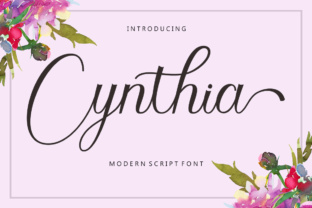
Cynthia is a modern calligraphy script that manages to strike a rare balance. It feels casual enough to be inviting, yet elegant enough to command respect. For entrepreneurs like us, who wear every hat from CEO to packer, finding a font that does the heavy lifting for our brand identity is a game-changer. It is not just about making things look pretty; it is about creating a consistent visual language that customers recognize and trust.
The First Impression Matters
In the world of online selling and boutique retail, your customer’s first interaction with your brand is often visual. Before they read your product description or check your reviews, they see your logo, your packaging, or your social media graphics. Typography plays a massive role in shaping that initial perception. A messy or outdated font can inadvertently signal a lack of attention to detail, while a polished, well-chosen script like Cynthia suggests quality and thoughtfulness.
When I started integrating Cynthia into my brand assets, the change was subtle but powerful. The pretty swashes and fluid strokes added a human touch that rigid sans-serif fonts simply could not match. It made my brand feel more personal, as if I had handwritten a note to each customer. This emotional connection is vital for building loyalty. Whether it is a candle label, a skincare bottle, or a bakery box, the right script font transforms a commodity into an experience.
Versatility Across Business Materials
One of the biggest advantages of adding Cynthia to your design toolkit is its versatility. As a small business owner, you need assets that work across various mediums without losing their impact. Here is how this premium font shines in different areas of your business:
- Logo Design: The elegant curves make it perfect for primary logos or secondary badges. It stands out on its own, giving your brand a memorable signature look.
- Packaging Design: Use it for product names on labels. The swashes add a decorative flair that makes simple packaging look high-end and gift-ready.
- Social Media Graphics: From Instagram stories to Pinterest pins, Cynthia grabs attention in crowded feeds. It works beautifully for quotes, announcements, and promotional headers.
- Printed Collateral: Think thank-you cards, business cards, and flyers. The handwritten aesthetic feels personal and appreciative, enhancing the unboxing experience.
- Web Design: Use it sparingly for website banners or section headers to break up blocks of text and add visual interest to your online shop.
The key is consistency. By using the same distinctive script across your digital ads, physical products, and correspondence, you build a cohesive brand identity. Customers begin to associate that specific style of lettering with your values and quality.
Practical Tips for Using Script Fonts
While Cynthia is stunning, using script fonts effectively requires a bit of strategy. Unlike body text fonts, scripts are best used for display purposes. They are ideal for headlines, short phrases, and titles, but they can become difficult to read if used for long paragraphs. I learned this the hard way when I tried to use a script for my ingredient list—it was a readability nightmare. Now, I reserve Cynthia for the "hero" text: the name of the product, the main headline, or a short, impactful tagline.
Readability is also crucial when dealing with small spaces. If you are designing labels for small items like lip balms or jewelry tags, ensure the font size is large enough for the swashes to remain clear. On mobile screens, where many customers will view your social media graphics, test your designs to make sure the intricate details of the font do not blur or disappear. Sometimes, simplifying the layout and letting the typography breathe is the best approach.
Creating Harmony with Font Pairing
A common mistake beginners make is pairing two complex fonts together. Since Cynthia has so much personality and movement, it needs a calm partner. The best approach is to pair it with a clean, modern sans serif font or a classic serif font. This contrast creates a balanced composition that is easy on the eyes.
For example, if you are designing a café menu, use Cynthia for the category headers like "Pastries" or "Coffee," and a simple sans serif for the item descriptions and prices. This hierarchy guides the customer’s eye naturally. In editorial design or blog graphics, using a neutral body font allows the script to act as an accent, drawing attention to the most important information without overwhelming the reader. This combination of modern typography styles ensures your design looks professional and contemporary.
Checking the Details Before You Launch
Before you commit to using Cynthia for your commercial projects, it is essential to review the technical details. As part of the Script Amp collection, this font comes with specific features that can enhance your workflow. Check for included styles, such as alternates and ligatures. These extras allow you to customize the look of your text, preventing repetitive patterns when the same letters appear next to each other. For instance, swapping out a standard "s" for a swashed alternate can make a word look unique and bespoke.
Also, verify the file formats provided. Ensure you have the necessary files for both print (such as OTF or TTF) and web use (WOFF). If you are selling internationally, check for multilingual support to ensure your brand looks consistent across different markets. Most importantly, review the commercial font licensing. Understanding your rights ensures you can use the font confidently on merchandise, templates, client work, and digital downloads without legal worries. Investing in a properly licensed premium font is a small price to pay for the peace of mind and professional polish it brings to your business.
Ultimately, upgrading your typography is one of the most cost-effective ways to refresh your brand. You do not need a complete rebrand to feel new. Sometimes, simply switching to a font like Cynthia can elevate your visuals from amateur to artisan. It invites your customers to slow down, look closer, and appreciate the beauty in what you create. And in a fast-paced digital world, that moment of connection is invaluable.