Moorland Font: Elegant Script for Crafters
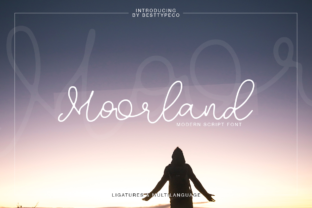
As a maker who spends hours perfecting the curve of a vinyl cut or adjusting the kerning on a wedding invitation, I know that typography is not just an afterthought. It is the voice of your brand. When you are selling physical goods, from hand-poured candles to custom stationery, the typeface you choose communicates quality before the customer even touches the product. This is why discovering Moorland felt like finding a missing piece in my design toolkit. It is a beautiful handmade calligraphy font that brings an immediate sense of elegance and warmth to any project.
In the world of Script Amp and digital design assets, there is often a trade-off between artistic flair and practical usability. Many swirly fonts look stunning on a screen but become a nightmare when you try to weed them from vinyl or print them at a small scale. Moorland strikes a rare balance. Its swirly letters give your design an elegant touch without sacrificing the structural integrity needed for commercial production. Whether you are creating branding materials, business cards, quotes, or posters, this typeface holds its own.
Elevating Handmade Products with Premium Typography
The primary reason I reach for Moorland is its ability to elevate simple designs into something that feels boutique and high-end. For small shop owners and Etsy sellers, perceived value is everything. A plain label on a soap bar says "soap." A label featuring Moorland says "luxury self-care experience."
This font shines brightest in applications where space allows the letters to breathe. It is very suitable for greeting cards, where the emotional connection is paramount. Imagine a birthday card with a single, sweeping name across the front, or a wedding invitation where the couple’s names flow together in a seamless, romantic dance. The ligatures and connections in Moorland mimic the natural movement of a real pen, giving it an authentic handmade feel that resonates with customers who appreciate artisanal quality.
Beyond paper goods, Moorland is a powerhouse for product packaging. I have used it extensively for candle labels, ceramic mug designs, and tote bag prints. Because it is a display font, it commands attention. When paired with high-quality materials like kraft paper, textured cardstock, or matte vinyl, the font’s elegant curves create a tactile visual experience that encourages customers to pick up the item.
Practical Applications for Crafters and Sellers
One of the most common questions I get from fellow creators is regarding the versatility of a specific font. Can it handle both a rustic farmhouse sign and a modern minimalist logo? With Moorland, the answer is a resounding yes, provided you understand its strengths. It is ideal for short phrases, names, titles, and decorative wording. It is not designed for long paragraphs of body text, nor should it be. Its power lies in its role as a headline act.
Here are some specific ways I integrate Moorland into my product lines:
- Wedding Stationery: Use it for the main headers on save-the-dates, welcome boards, and menu cards. The swashes add a celebratory flair that fits perfectly with formal events.
- Boutique Branding: Incorporate it into logo design for businesses in the beauty, wellness, or floral industries. It conveys softness and professionalism simultaneously.
- Seasonal Crafts: Create holiday-specific SVG-style designs for Christmas ornaments or Easter banners. The fluid lines work well with festive motifs like holly leaves or floral wreaths.
- Digital Printables: Design planner pages or wall art quotes. When selling digital downloads, ensuring the font renders beautifully in PDF previews is crucial for conversion rates.
Readability and Production Tips
While Moorland is undeniably attractive, practical application requires attention to detail. As a user of cutting machines like Cricut and Silhouette, I always recommend testing your design at the actual size before committing to a full production run. For small stickers or product labels, ensure that the intricate swashes do not overlap too densely, which can cause weeding issues or ink bleeding during printing.
If you are using Moorland for vinyl decals, consider simplifying the design by removing excessive flourishes if the final output is smaller than three inches. However, for larger formats like posters, signs, or tote bags, you can let the font shine in its full glory. Always preview your designs in grayscale first to check for contrast and readability. A beautiful font is useless if the customer cannot read the message.
Another critical aspect is file format compatibility. Ensure you are using the correct file types for your workflow. OTF and TTF files are standard for graphic design software like Adobe Illustrator or Canva, while SVG files are essential for cutting machine users. Checking for included styles, alternates, and ligatures can also expand your creative options. Some versions of premium fonts offer multiple weights or stylistic sets that allow you to customize the level of ornamentation.
Mastering Font Pairing for Brand Consistency
To maximize the impact of Moorland, you must master the art of font pairing. An expressive script font like this should never stand alone in a complex layout. It needs a partner that provides structure and clarity. My go-to strategy is to pair Moorland with a clean sans serif font. The simplicity of a geometric sans serif creates a modern contrast that highlights the organic curves of the script.
Alternatively, for a more traditional or literary feel, try pairing it with a simple serif font. This combination works exceptionally well for book covers, vintage-inspired labels, or classic wedding invitations. The key is to maintain hierarchy. Let Moorland be the star for titles and names, while the secondary font handles the informational text like dates, addresses, and ingredients. This approach ensures brand consistency and helps guide the viewer’s eye through the design logically.
Understanding Commercial Licensing
Before you start selling products featuring Moorland, it is vital to understand the licensing terms. Most premium fonts come with specific guidelines for commercial use. Generally, a standard commercial license allows you to use the font to create physical products for sale, such as t-shirts, mugs, and printed cards. It also typically covers client work, such as designing a logo for a local business.
However, if you are creating digital products where the font file itself is distributed, or if you are creating templates for other designers to edit, you may need an extended license. Always read the End User License Agreement (EULA) provided by the font creator. Protecting your business and respecting the intellectual property of type designers is a cornerstone of professional practice in the creative community.
In conclusion, Moorland is more than just a set of letters; it is a tool for storytelling. For crafters, sellers, and designers, it offers the perfect blend of elegance and usability. By understanding its strengths, pairing it wisely, and adhering to best practices for production, you can create products that not only look beautiful but also resonate deeply with your audience. Whether you are designing a single greeting card or building a complete brand identity, Moorland provides the sophisticated touch that turns casual browsers into loyal customers.